FAQs
Everything You Need to Know About Healthy Cooking
What is healthy cooking?
Healthy cooking combines nutritious ingredients with simple preparation methods to create delicious meals that support your wellness goals. It focuses on whole foods, balanced macronutrients, and minimal processing. Whether you're starting your health journey or refining your skills, understanding cooking fundamentals helps you make informed choices about what you eat daily.
Why should you learn healthy cooking?
Learning to cook healthy meals gives you control over your nutrition and saves money compared to eating out regularly. You'll discover how to prepare ingredients properly, maintain nutrients during cooking, and create satisfying dishes without excess salt, sugar, or unhealthy fats. These skills empower you to feed yourself and your family better.
What are the main principles of nutritious meal preparation?
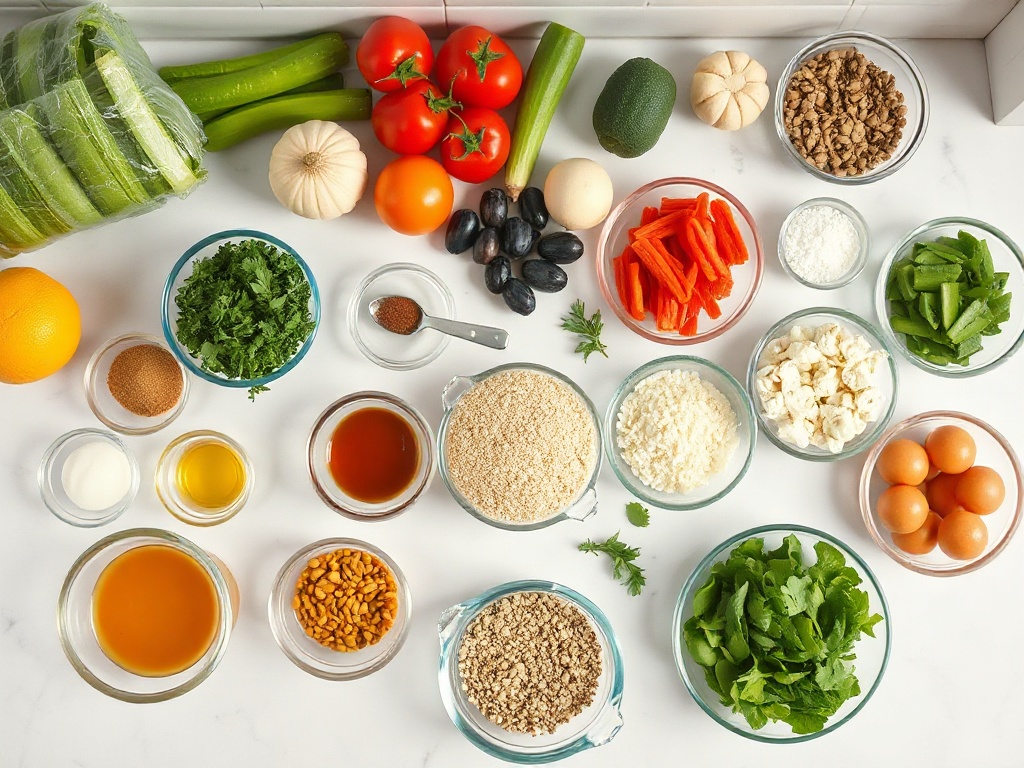
Core principles include choosing whole grains, lean proteins, colorful vegetables, and healthy fats while minimizing processed foods. Proper cooking techniques like steaming and grilling preserve vitamins and minerals better than frying. Meal planning ahead reduces stress and ensures balanced nutrition throughout your week. Understanding portions and ingredient quality transforms everyday cooking into health-supporting practice.
How do you choose healthy cooking oils?
Different oils serve different purposes in healthy cooking. Olive oil works best for salads and low-heat cooking, while avocado oil handles higher temperatures. Coconut oil offers unique benefits for specific dishes. Understanding smoke points and nutritional profiles helps you select the right oil for each recipe, ensuring you maintain nutritional value and flavor.
What are simple meal prep strategies?
Meal prepping saves time during busy weeks while ensuring healthy eating. Batch-cook grains and proteins on weekends, then combine them with fresh vegetables throughout the week. Use glass containers for storage, prepare consistent portions, and plan menus beforehand. This approach reduces last-minute unhealthy food choices and builds sustainable eating habits.
How can beginners start cooking healthier?
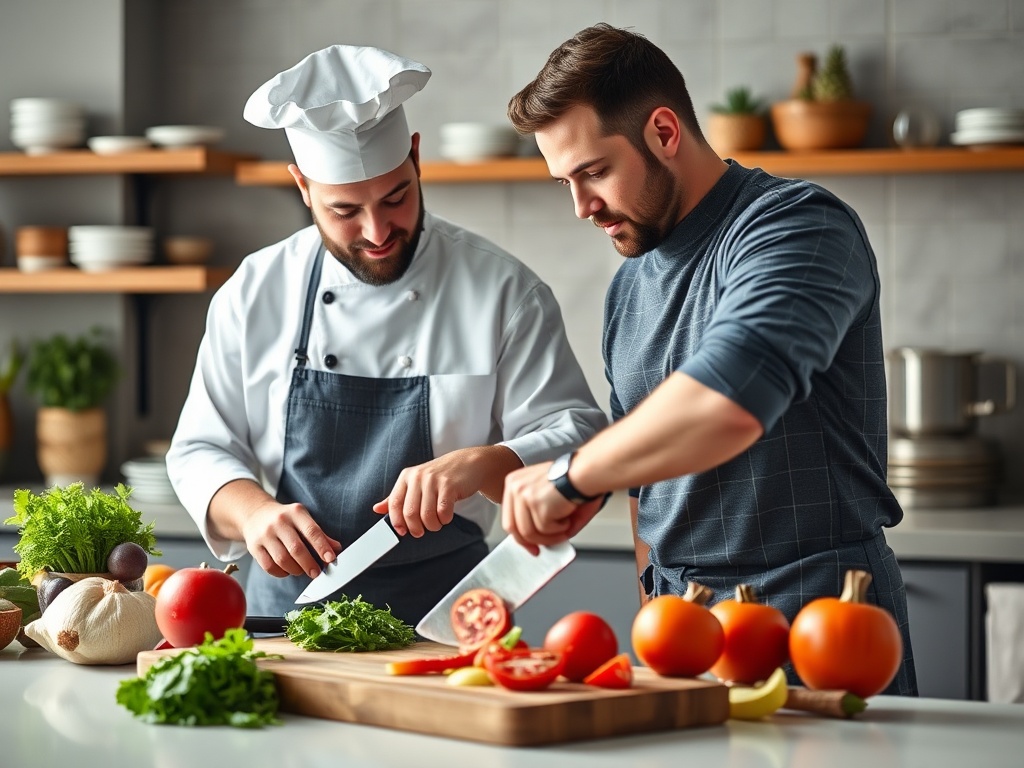
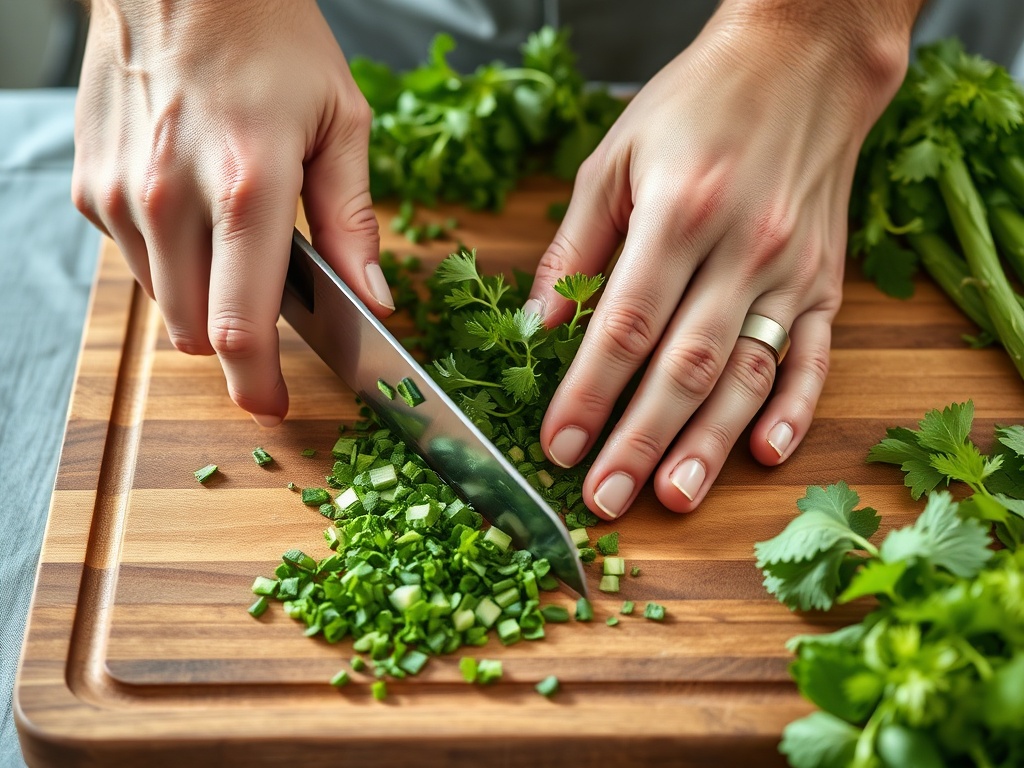
Begin by mastering basic cooking techniques like roasting vegetables, grilling proteins, and preparing simple sauces. Start with five favorite recipes and gradually expand your repertoire. Read ingredient labels, keep your pantry stocked with healthy staples, and practice knife skills for efficiency. Small consistent changes create lasting habits that improve your overall health.
Master Healthy Cooking With Our Online Course and Transform Your Kitchen Today

What foods should you eat daily?
Daily nutrition should include vegetables, fruits, whole grains, lean proteins, and healthy fats. Aim for variety in colors and types to maximize nutrient intake. Include foods rich in fiber, vitamins, minerals, and antioxidants. Staying hydrated and limiting added sugars completes a balanced daily diet that sustains energy and supports long-term health.
How do you make meals taste better without salt?
Using herbs, spices, citrus, and vinegar creates amazing flavor without excess sodium. Garlic, ginger, paprika, and cumin add depth and complexity to dishes. Fresh herbs like basil and cilantro brighten flavors naturally. Learning to layer flavors through different cooking methods and ingredients helps you create delicious food that supports your health goals.
What equipment do you need for healthy home cooking?
Essential tools include sharp knives, cutting boards, measuring cups, non-stick pans, and baking sheets. A food processor speeds up vegetable prep, while a blender handles smoothies and soups. Quality equipment makes cooking easier and more enjoyable. You don't need expensive gadgets; focus on basics that you'll use regularly for preparing healthy meals.
How do you cook vegetables without losing nutrients?
Steaming and roasting at moderate temperatures preserve vitamins better than boiling. Keep cooking times short and avoid overcooking until vegetables become mushy. Use minimal water when cooking, and consume cooking liquid when possible since nutrients leach out. Fresh, lightly cooked vegetables retain maximum nutritional value and taste better too.
What are healthy protein cooking methods?
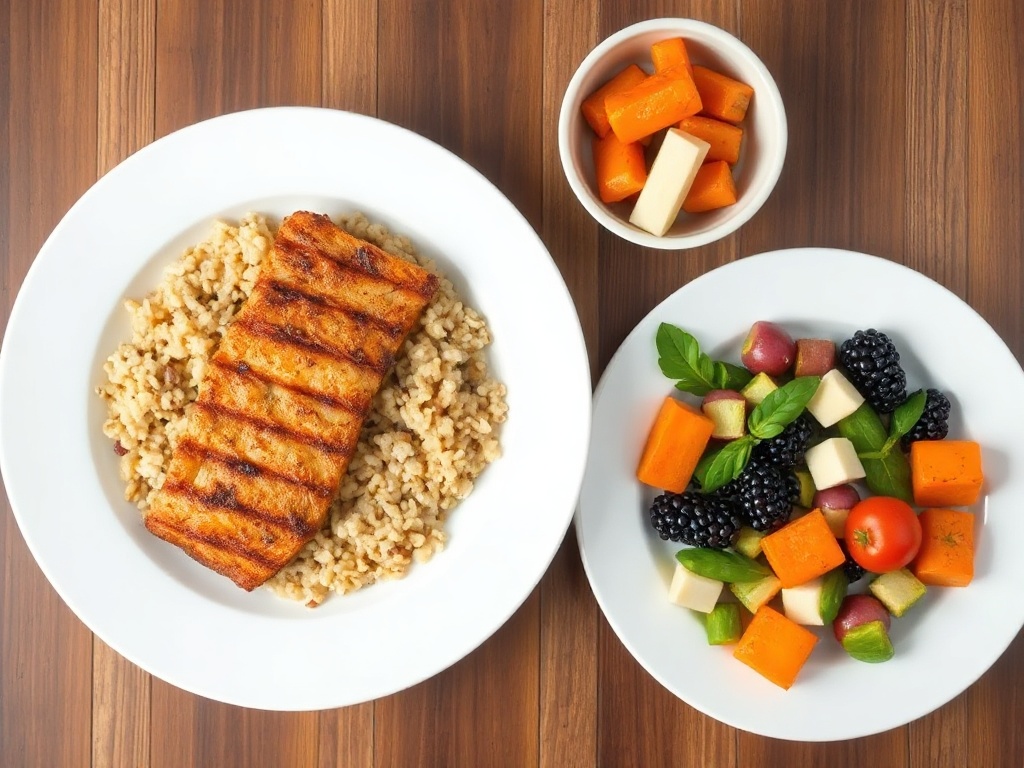
Grilling, baking, steaming, and poaching are excellent protein cooking methods that require minimal added fats. These techniques preserve protein structure and nutritional content while creating delicious results. Avoid charring at extremely high temperatures. Proper cooking temperatures ensure food safety while maintaining tenderness and flavor in lean meats, fish, and plant-based proteins.
How do you plan weekly healthy menus?
Start by selecting five protein sources and ten vegetables you enjoy. Plan two breakfast, three lunch, and three dinner options for variation. Write a shopping list organized by store section for efficiency. Check your pantry first to avoid waste. Include one flexible meal for leftovers or dining out. Simple planning reduces stress and ensures consistent healthy eating throughout the week.
Transform your cooking skills today
Learn from experienced nutrition experts in our proven online course program